Consumers pay internet service providers to build a bridge to access the internet. These companies manage the behind the scenes infrastructure while their customers pay to access the world wide web. It is generally not possible for every person to meet the complex and costly standards to connect to the internet by their own means, so most people have two options: become a consumer and use a service or resort to public WIFI.
“Access is how, when, where, and how often people have access to the tools, technology, and digital skills necessary to thrive.” –NAMLE
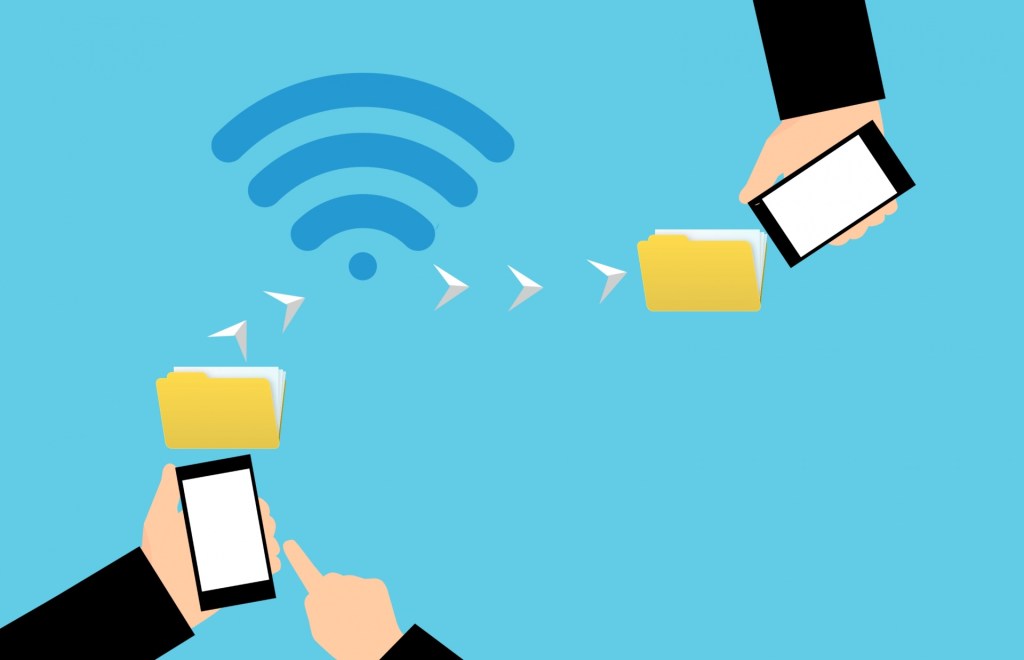
An issue of access arises if internet providers are free to boost certain media over others. This does not create an even playing field on the web.
Six states, “Hawaii, Montana, New Jersey, New York, Rhode Island, and Vermont,” still follow Net Neutrality guidelines. Net Neutrality ensures equal access of all sites and services online, for everyone. This has the consumer in mind. Without this protection, for example, the very use of social media applications can be bunched in bundles – causing consumers to pay separate fees. Strikingly similar to pay to play games.
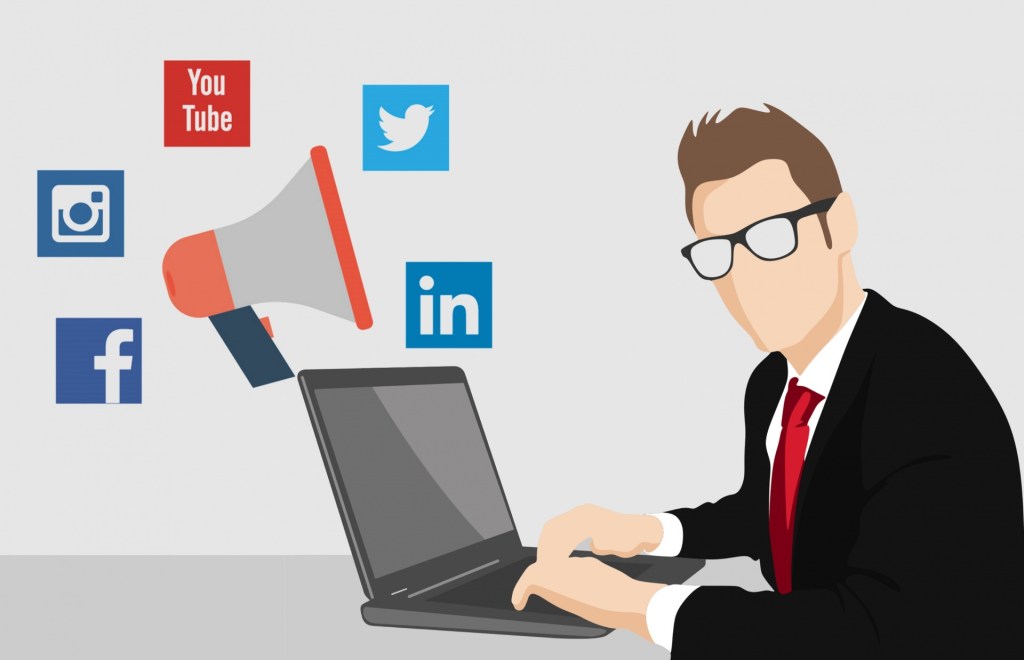
When internet providers gatekeep access or prioritize certain sites over others, it directly impacts how consumers receive information. With Net Neutrality, individuals who seek information on the web have free reign of all details available online, which is the true meaning of access. Without this guideline in place, only specific websites are prioritized.
With certain narratives being pushed to the front page, it can be nearly impossible to find a clear cut story to trust. This is what makes Net Neutrality so important when it comes to media literacy, as access is needed to have a complete experience with media.
Telecommunications conglomerations may make consumers feel trapped, as they do not have control outside of what is available on the market.
NAMLE stresses the importance of access through showing, “Limited or no access can impact one’s ability to participate in culture, access news and information, and learn the technology skills necessary for employment, education, and civic engagement,“ .
I can personally attest to this statement, as someone who does not have any access to the news, I am always out of the loop at my job. It does effect how I participate in conversations and I also believe others view me differently because of this. I can understand how it can be viewed as irresponsible media participation, but I feel free in my choice to deny myself access to certain media.
 Balliace