A few years back, a popular topic of conversation at my workplace was astrology. Several of my coworkers were passionate about the subject. One often mentioned that her aunt was a psychic and that gifts ran in her family. She was the most informed in the group.
I am sure astrology was brought up several times every week. Although this information was floating about our headsets frequently, literally directly into my ear, it didn’t stick with me.
While I unfortunately did not retain anything from the topic, as there were far too many things said in passing to recall, I do remember some observations upon reflection. I realized it can become a topic that produces strange results, because many people in the group did not feel just neutrally toward the subject.
Once two people found they had conflicting beliefs, one of three things would happen. I have witnessed 1. Disconnect 2. Confusion 3. Tension. If worked through, both viewpoints have the opportunity to merge into something new.
Disconnect occurs when the subject is quickly changed, for example if Sophia thought Scorpio’s were X when in the astrological world it is agreed upon they are Y. Confusion takes place when my coworkers were unable to check their phones while busy, but couldn’t recall which element was assigned to a specific zodiac. Tension is present when new information is being shared that someone else has not heard of before.
When it comes to sharing information, spreading misinformation can be an unfortunate side effect. This may occur when information is shared too soon before being properly verified. Similarly, if an individual does not have a full and well rounded view about a subject, they may not realize something they hold true is actually false. People don’t mean to spread incorrect information.
Just as I suspected.. After some searching I found this article that supports this view.
March 17 2021: Scientific American hosts an article titled Most People Don’t Actively Seek to Share Fake News by David Rand in which he states that research shows, “…over 80 percent of respondents felt that it’s very important to only share accurate content online..”.
Individuals share information because they find it important in some way. As some people will pass along media that happens to be in fact misinformation.
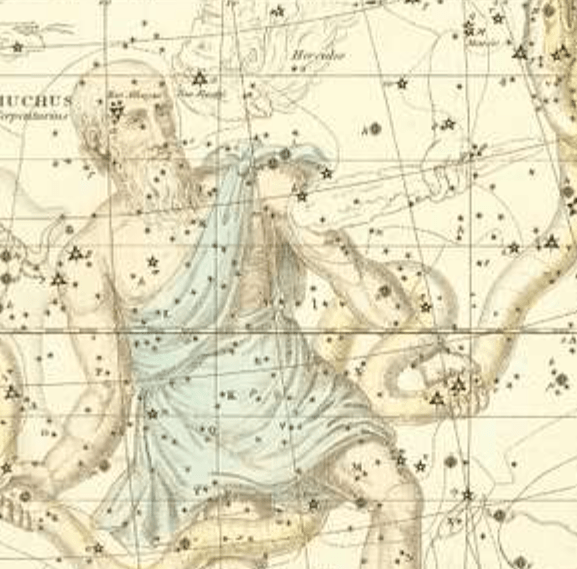
For example, a discussion about there being a 13th zodiac sign is brought up time and time again, like clockwork.
I happened upon the information of a new zodiac and I brought it up to my coworkers. I wasn’t yet that informed on the subject and wanted to learn more. They didn’t know about it either and it caused some of the aforementioned confusion. Ever since, I try to stay informed before speaking on something.
July 26, 2020: Dictionary.com What Is Ophiuchus And Is It Really Part Of The Zodiac? states, “Standard astrological zodiacs do not include Ophiuchus” and “Its addition to the zodiac was first suggested by astrologist Stephen Schmidt in 1970 and it was proposed again in 1995,” which goes to show this is not new information – but has been circulating since before the internet. It’s on the level of misinformation as it has been confirmed there is not a new zodiac, yet there has been confusion about the topic for years.
 Balliace